Why Was South Sudan’s Health Minister Replaced So Quickly?
The public record shows when John Gai Yoh was appointed and removed, but gives no reason. The rapid reversal tests the caretaker government’s vetting, policy continuity and accountability.
JUBA — The most direct answer to why President Salva Kiir replaced caretaker Health Minister John Gai Yoh after only about two days in office is that the presidency has not said. Any claim about a political dispute, failed vetting, performance or the separate security-service reshuffle would go beyond the public evidence.
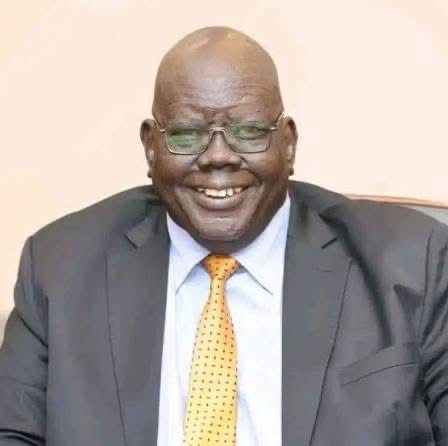
What is documented is a compressed sequence. Yoh was appointed on 28 September, assumed the health portfolio on 30 September and was replaced by Dak Duop Bichiok on 1 October. SSBC published a report that day about his plans for medical workers’ welfare. Later, a decree read on the state broadcaster removed him without an explanation, as Radio Tamazuj reported.
Three institutional questions the reversal raises
Selection and vetting. Was a concern discovered only after the appointment, or did the president reconsider the choice for another reason? The public has not seen a selection record, vetting criteria or an explanation. Without those documents, neither account can be preferred. The practical question is what checks occurred before naming a minister to a critical public-service portfolio.
Continuity of health decisions. A two-day minister may sign instructions, meet partners or set priorities that need a clear handover. The ministry should identify any actions Yoh took, whether they remain in force, and how Bichiok will oversee disease surveillance, medicines, flood-related health risks and relations with humanitarian agencies. A change at the top need not stop routine services, but accountability for decisions should be explicit.
Oversight during the caretaker period. Kiir formed the caretaker administration after the unity government and legislature were dissolved on 22 September. A rapid appointment and removal, without a public reason or parliamentary scrutiny, makes it harder for citizens to understand who is answerable for the portfolio. The presidency can address this by publishing the signed decrees, effective dates, handover record and selection criteria.
What cannot be inferred from the NSS decree
Kiir separately replaced Gen. Napoleon Adok Gai with Apiu Goch Dut as deputy director-general of the NSS Internal Security Bureau and promoted Apiu. Their appointments happened in the same round of announcements, but the available reporting supplies no link to Yoh’s dismissal. Apiu’s reported past at Sudd Investment is relevant background to the security-service appointment, not an explanation for the health decision.
Yoh’s position as head of the Inter-Party Dialogue secretariat also needs confirmation. Losing the health ministry does not by itself prove he lost the dialogue role. The steering committee should say whether he remains, and if so how that work proceeds.
The answer the public needs
Kiir’s office should explain the reason for the Health Ministry reversal, the status of any decisions made during Yoh’s short tenure and the basis for Bichiok’s selection. Until then, the story is about an unexplained decision and the risks it creates for transparent caretaker administration—not a known motive. Read the breaking news report →