
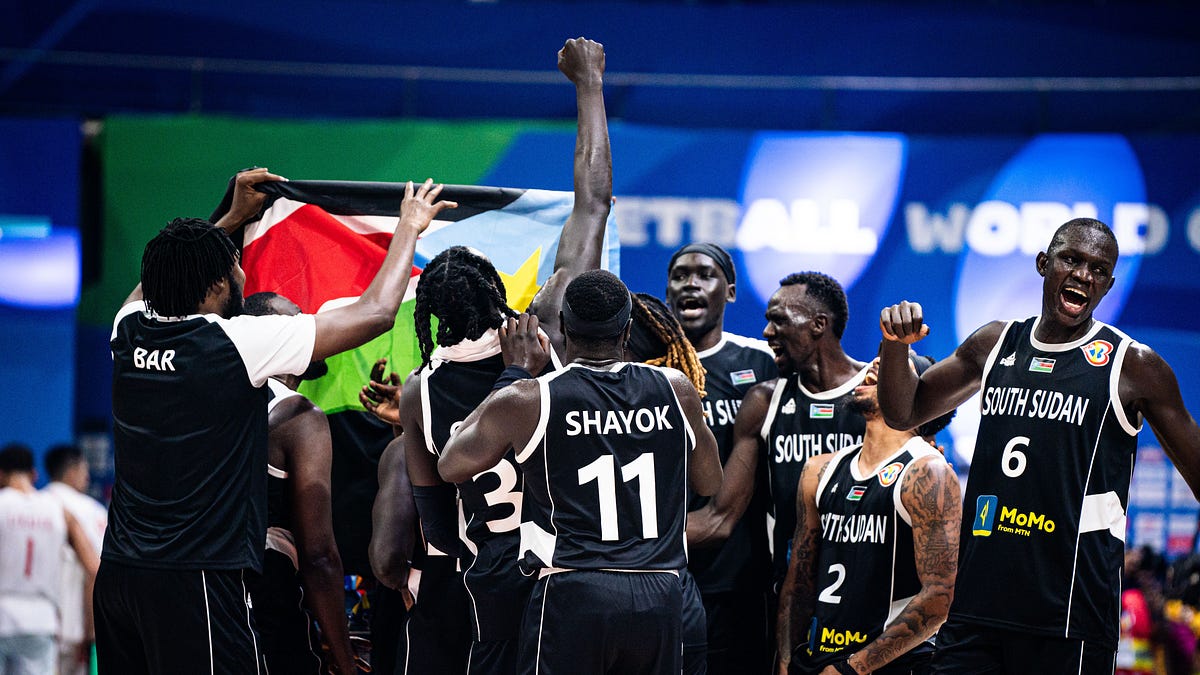
South Sudan’s basketball success has created a positive global story that is emotionally powerful and commercially relevant. But attention by itself is not an economy. Turning sporting visibility into jobs, investment and institutions requires deliberate policy, credible governance and a broader ecosystem around athletes.
Infrastructure is the first economic layer
Competitive sport requires courts, training centres, medical facilities, accommodation, transport and event infrastructure. Each creates demand for construction, maintenance, professional services and local employment.
Broadcasting and digital media create another market
A national team with an engaged audience creates demand for highlights, interviews, analysis, documentaries and live coverage. That creates opportunities for broadcasters, photographers, journalists, producers, designers and digital platforms.
Sponsorship needs a credible commercial framework
Successful teams attract brands, but sustainable sponsorship depends on transparent agreements, audience data and professional management.
Merchandise can become part of national identity
National-team shirts, scarves, caps and other merchandise can become cultural products as much as sporting ones. Proper licensing can create revenue while giving supporters at home and abroad a visible way to identify with the team.
Sports tourism is a longer-term opportunity
If South Sudan develops venues capable of hosting regional tournaments, training camps or youth competitions, sport could contribute to hospitality, transport and tourism. That opportunity requires security, infrastructure and reliable organisation.
Building a sports economy
Facilities: courts, training centres and venues.
Media: broadcasting, streaming, photography and journalism.
Commerce: sponsorship, ticketing and licensed merchandise.
People: coaches, medical staff, administrators and event professionals.
Youth: academies, school competitions and development pathways.
The biggest asset is human capital
A sustainable system must invest in coaching, refereeing, sports medicine, analytics, administration and athlete education alongside elite competition.
From pride to productive opportunity
The Bright Stars have already demonstrated the diplomatic and emotional value of sport. With the right governance, basketball and other sports could support employment, media, tourism, youth development and private-sector investment.