FRIDAY, 23 OCTOBER 2026 · HEALTH · CROSS-BORDER SURVEILLANCE
DRC and South Sudan Coordinate Ebola Surveillance at the Border
WHO describes joint alert systems while documenting gaps in equipment, isolation and transport.
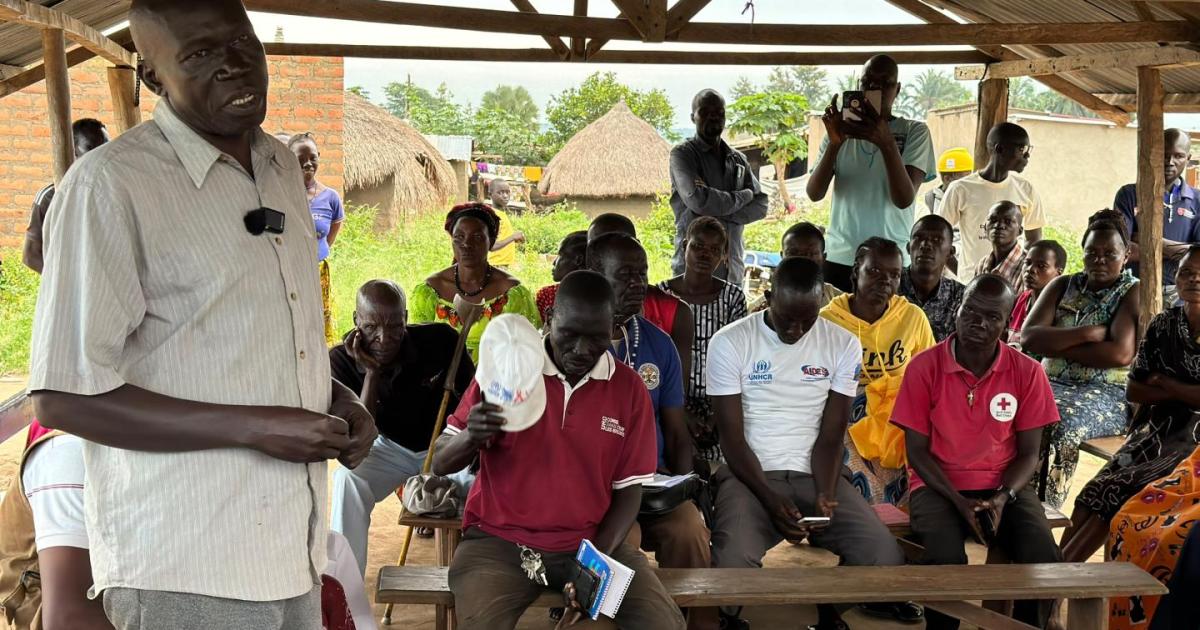
Health authorities in the Democratic Republic of the Congo and South Sudan are strengthening surveillance and information sharing around Aba and Yei, according to a WHO feature published on Thursday.
WHO says the cooperation includes alerts, joint investigations and community communication. Its account identifies shortfalls in protective equipment, isolation capacity and transport on the Congolese side.
The organisation reports that Aba had not recorded cases at the time covered by its account. The surveillance initiative should not be presented as confirmation of an outbreak in South Sudan.
Cross-border coordination matters because an alert can require action by more than one health authority. A useful public update should state where an alert is being assessed, which institution is responsible and whether laboratory confirmation exists.
Operational readiness also depends on the ability to move a patient safely and communicate with nearby communities. A meeting agreement alone cannot demonstrate that every entry point has staff, supplies or transport.
For readers, the central distinction is between preparedness, a suspected alert and a confirmed case. Future coverage should keep those categories explicit and use dated health-authority updates.
Sources reviewed for the 23 October edition. Statements, estimates and findings are distinguished in the text. SSP has not independently conducted interviews or field verification for this report.